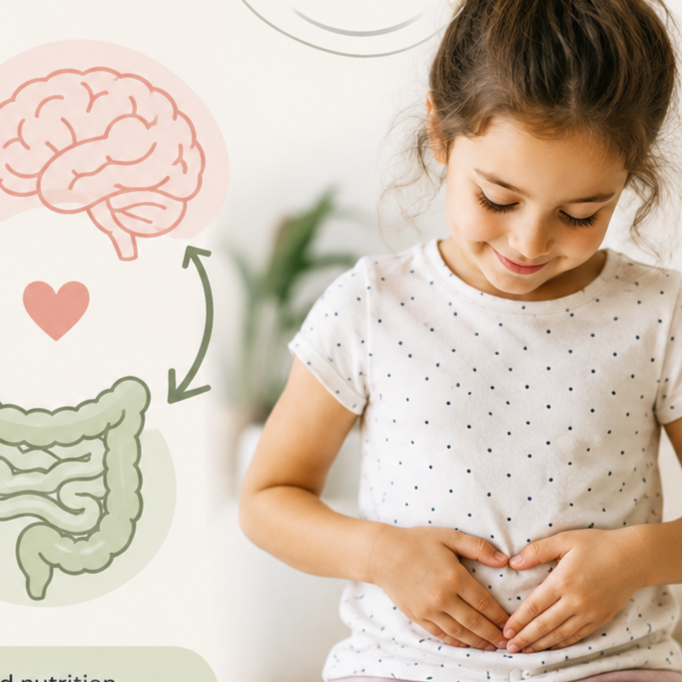
The Gut-Brain Connection in Children: Why Digestion Affects Mood and Behaviour
Parents are often surprised to learn how closely connected digestion and behaviour can be.
The gut and brain communicate constantly through what is often referred to as the “gut-brain axis.”
This means digestive health can influence:
Mood
Focus
Anxiety
Emotional regulation
Energy levels
Sleep
Signs the Gut May Need Support
Children do not always complain directly about digestive issues.
Sometimes gut imbalances appear as:
Irritability
Anxiety
Hyperactivity
Difficulty focusing
Food cravings
Fatigue
Sleep disruption
Skin issues
Digestive symptoms such as constipation, bloating, abdominal discomfort, or inconsistent bowel movements may also be present.
Why Gut Health Matters
The digestive system plays important roles in:
Nutrient absorption
Immune function
Inflammation regulation
Neurotransmitter production
When digestion is not functioning optimally, it can affect many other systems throughout the body.
Supporting Gut Health Naturally
We take an individualized approach to digestive health.
Depending on the child’s needs, support may focus on:
Nutrition
Food sensitivities
Balanced meals
Digestive support
Stress management
Sleep support
Supporting Health From the Inside Out
Children thrive when foundational systems are supported.
Addressing digestive health can often improve not only physical symptoms, but emotional and behavioural wellbeing as well.
In my practice, I am committed to helping families better understand the important connections between the body, brain, and overall child health.
Disclaimer
This article is intended for educational purposes only and is not intended to replace medical advice, diagnosis, or treatment from your physician or qualified healthcare provider.