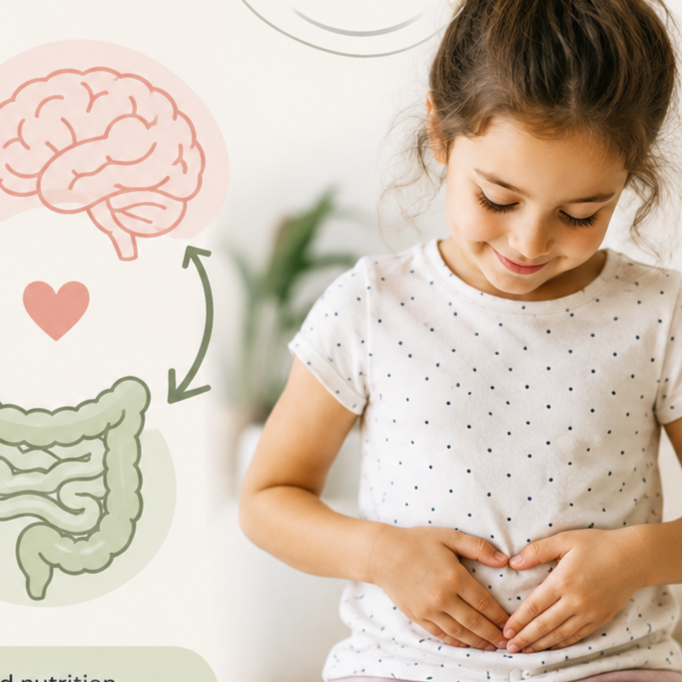
Probiotics and Fermented Foods for Children: What Every Parent Should Know
As parents, we hear a lot about the importance of "gut health." Grocery store shelves are filled with probiotic supplements, probiotic yogurt, kombucha, kefir, and fermented foods claiming to improve digestion and strengthen immunity. But are probiotics really necessary for children? And are fermented foods always a healthy choice?
The answer is more nuanced than many advertisements suggest.
A healthy gut microbiome plays an important role in digestion, immune development, and overall health. While probiotics and fermented foods may offer benefits for some children, they are not appropriate for everyone, and choosing the right approach depends on the individual child.
What Are Probiotics?
Probiotics are live microorganisms that, when consumed in adequate amounts, may provide health benefits. Most probiotic supplements contain beneficial bacteria from the Lactobacillus or Bifidobacterium families, although many other strains are available.
It's important to remember that probiotics are strain-specific. Different strains have been studied for different conditions, meaning one probiotic is not necessarily interchangeable with another.
What Are Fermented Foods?
Fermented foods are produced when beneficial bacteria or yeast naturally ferment food.
Examples include:
Plain yogurt with live cultures
Kefir
Sauerkraut
Kimchi (mild versions for children)
Miso
Tempeh
Some naturally fermented pickles
These foods not only introduce beneficial microbes but also contain vitamins, enzymes, and organic acids that may support overall digestive health.
Why Is the Gut Important?
The digestive tract contains trillions of microorganisms that help:
Digest certain foods
Produce vitamins
Support normal immune function
Protect against harmful bacteria
Communicate with the nervous system through the gut-brain axis
Influence inflammation throughout the body
Early childhood is an especially important time for microbiome development.
Factors that influence a child's microbiome include:
Mode of birth
Breastfeeding
Introduction of solid foods
Antibiotic exposure
Diet quality
Environment
Physical activity
Stress
Potential Benefits of Probiotics
Research suggests certain probiotic strains may help support children experiencing:
Digestive Health
Some probiotics may:
reduce antibiotic-associated diarrhea
shorten certain infectious diarrheal illnesses
support recovery after gastroenteritis
improve some cases of constipation
reduce abdominal discomfort in some children with functional gastrointestinal disorders
Not every child benefits equally, and results depend on the probiotic strain being used.
Immune Health
Approximately 70% of immune cells are associated with the digestive tract.
A healthy microbiome helps educate the developing immune system and may contribute to:
balanced immune responses
improved barrier function within the intestine
reduced susceptibility to some infections
Research continues to explore how probiotics influence childhood immune health.
Allergies and Eczema
Some studies suggest certain probiotic strains may modestly reduce eczema severity in some children, particularly when used during pregnancy or early infancy in specific situations.
However, evidence is mixed, and probiotics should not be considered a stand-alone treatment for allergic disease.
Gut-Brain Connection
Researchers continue to investigate the relationship between the gut microbiome and:
anxiety
mood
emotional regulation
behaviour
sleep
Although this field is exciting, evidence in children is still emerging, and probiotics should not replace comprehensive assessment when behavioural or emotional concerns are present.
Benefits of Fermented Foods
Whenever possible, I encourage families to build a healthy microbiome through a varied, nutrient-rich diet rather than relying solely on supplements.
Fermented foods provide:
naturally occurring beneficial bacteria
fibre (in many foods)
vitamins
minerals
digestive enzymes
food variety
Children who regularly enjoy yogurt, kefir, or small amounts of fermented vegetables as part of a balanced diet may naturally support microbial diversity.
Food First
Rather than focusing exclusively on probiotics, remember that beneficial bacteria also need food to survive.
These "prebiotic" foods nourish healthy gut bacteria.
Examples include:
bananas
onions
garlic
oats
apples
asparagus
legumes
flaxseed
vegetables
whole grains (when tolerated)
A diverse diet often has a greater long-term impact on microbiome health than probiotics alone.
When Probiotics May NOT Be Appropriate
Although probiotics are generally considered safe for healthy children, there are situations where they should only be used under medical supervision.
These may include:
Children with significantly weakened immune systems
Such as those receiving chemotherapy or certain immunosuppressive medications.
Central venous catheters
Rare bloodstream infections have been reported in vulnerable individuals.
Premature infants
Some probiotics are used in neonatal intensive care under specialist guidance, but products and dosing require careful medical oversight.
Serious underlying gastrointestinal disease
Children with significant bowel disease should always discuss probiotics with their healthcare team.
Severe illness or hospitalization
Individual assessment is important.
Fermented Foods Are Not Always Appropriate
Some fermented foods may not be suitable for every child.
Examples include:
High Sodium
Sauerkraut, pickles, and kimchi may contain large amounts of salt.
Spicy Foods
Kimchi and some fermented vegetables may irritate sensitive digestive systems.
Histamine Sensitivity
Fermented foods naturally contain histamine.
Some children with histamine intolerance or mast cell activation symptoms may notice worsening of:
flushing
headaches
eczema
congestion
digestive symptoms
Added Sugar
Many commercial probiotic yogurts marketed toward children contain significant amounts of added sugar.
Plain yogurt with fresh fruit is often a healthier choice.
Kombucha
Kombucha is generally not recommended for young children because it may contain:
small amounts of alcohol
caffeine
excessive acidity
unpasteurized bacteria
Choosing a Probiotic
If a probiotic supplement is being considered, look for products that:
identify the exact bacterial strain(s)
provide an appropriate number of live organisms (CFUs)
have quality assurance testing
have research supporting their intended use
Different strains may be studied for:
diarrhea
constipation
eczema
IBS
antibiotic-associated symptoms
There is no single "best probiotic" for every child.
A Whole-Child Approach
The microbiome is only one piece of the puzzle.
When supporting children's digestive or immune health, I also consider:
overall nutrition
fibre intake
sleep quality
stress
movement
antibiotic history
allergies
environmental exposures
family health history
Supporting long-term health means understanding the child as a whole—not simply choosing the newest supplement.
Key Takeaways for Parents
A healthy microbiome supports digestion, immunity, and overall health.
Fermented foods can be a nutritious part of many children's diets.
Probiotic supplements are strain-specific and should be chosen based on individual needs, by a healthcare provider.
Not every child requires a probiotic.
Some medical conditions require caution before using probiotic supplements.
A diverse, fibre-rich diet remains one of the best ways to support a healthy gut microbiome.
How I Can Help
Every child is unique, and digestive health is influenced by many factors beyond the microbiome alone. If your child is experiencing ongoing digestive symptoms, allergies, recurrent infections, or concerns related to nutrition or gut health, a comprehensive assessment can help identify contributing factors and guide an individualized care plan that supports their overall health and development.
Educational Disclaimer: This article is provided for educational purposes only and should not be interpreted as individualized medical advice. Every child has unique healthcare needs. Please consult a qualified healthcare professional before starting any new supplement or making significant dietary changes for your child.